


Personal Stories from Around the World on the Cultural Meaning of Dance
Dance is a potent form of visceral communication. Dance was the main way that stories were passed down from one generation to the next before written languages were created. On many levels, whether social, ceremonial, competitive, martial, or holy, dance is an essential component of existence.
A community's ability to create a shared identity is greatly influenced by dance. A culture's history and values are embodied via dance, which also offers a physical, emotional, and communal connection. Dance is a worldwide language, and practically every society participates in it.
Dance communicates human connections, emotions, and social roles through movement, gestures, and rhythms. It may even transmit ideas that words cannot.
Myths, tales, and history are passed down through the generations through dance. Dances can portray religious doctrine, historical occurrences, or the interaction between a society and its surroundings.
Engaging in traditional dances, like the Hawaiian hula, fosters a sense of belonging and shared heritage while assisting people in connecting with their roots. Particularly when shared with people from the same background, it strengthens social ties and cultivates a feeling of community.
A culture's social structures, gender roles, and moral standards can all be reflected in and reinforced through dance. Taking part in specific dances can also represent rites of passage or societal milestones.
Cultural information, wisdom, and teachings are passed down from one generation to the next through dance. Dance is a kind of living history since its shapes and movements frequently convey a narrative or a specific worldview.
While secular dances can reflect a community's worldview and belief systems, spiritual and religious dances allow societies to embrace their holy values and traditions.

Flamenco in Seville Embodies Alluring Cultural Heritage
Flamenco in Seville is not just traditional Spanish dance. It is art, an experience, a culture and way of life. A must read before you go!

Armenian Traditions Shared by Teachers and Children of Sasunik Village
Armenian traditions of carpet-making, song and dance are alive and well in the village of Sasunik. Click to experience Armenian traditions!
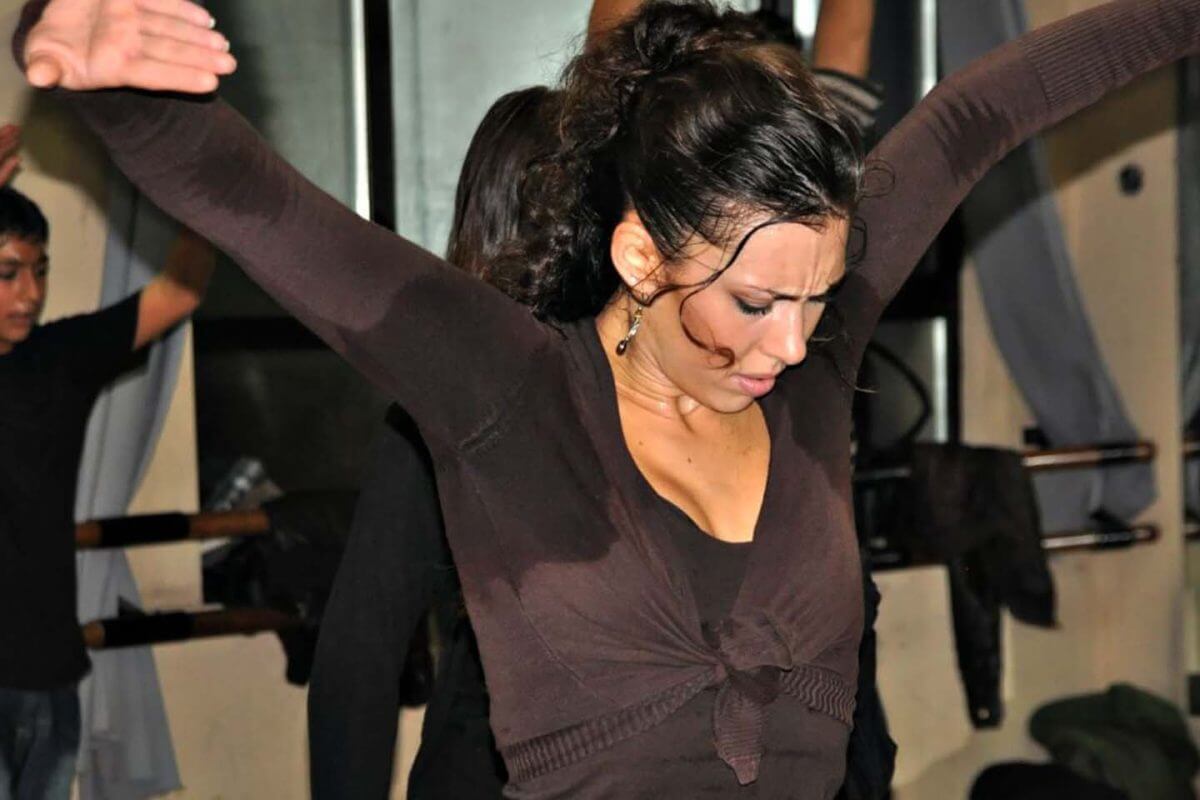
Flamenco: Madrid’s Amor de Dios Studio
Tour through the history and contemporary practice of Spain’s exuberant flamenco, recognized by UNESCO as an item of intangible cultural heritage.

Exuberant Parachicos Festival in Mexico Inspired By Local Legend
The festival in Mexico called the Fiesta de Los Parachicos is a festival filled with traditional colorful costumes, dance, and more.

The Lipizzaner Stallions, a Treasured Slovenian Tradition and Symbol
The Lipizzaner stallions of Slovenia are a rare breed of horse that dates back over 2,000 years, but today it teaches a powerful life lesson.
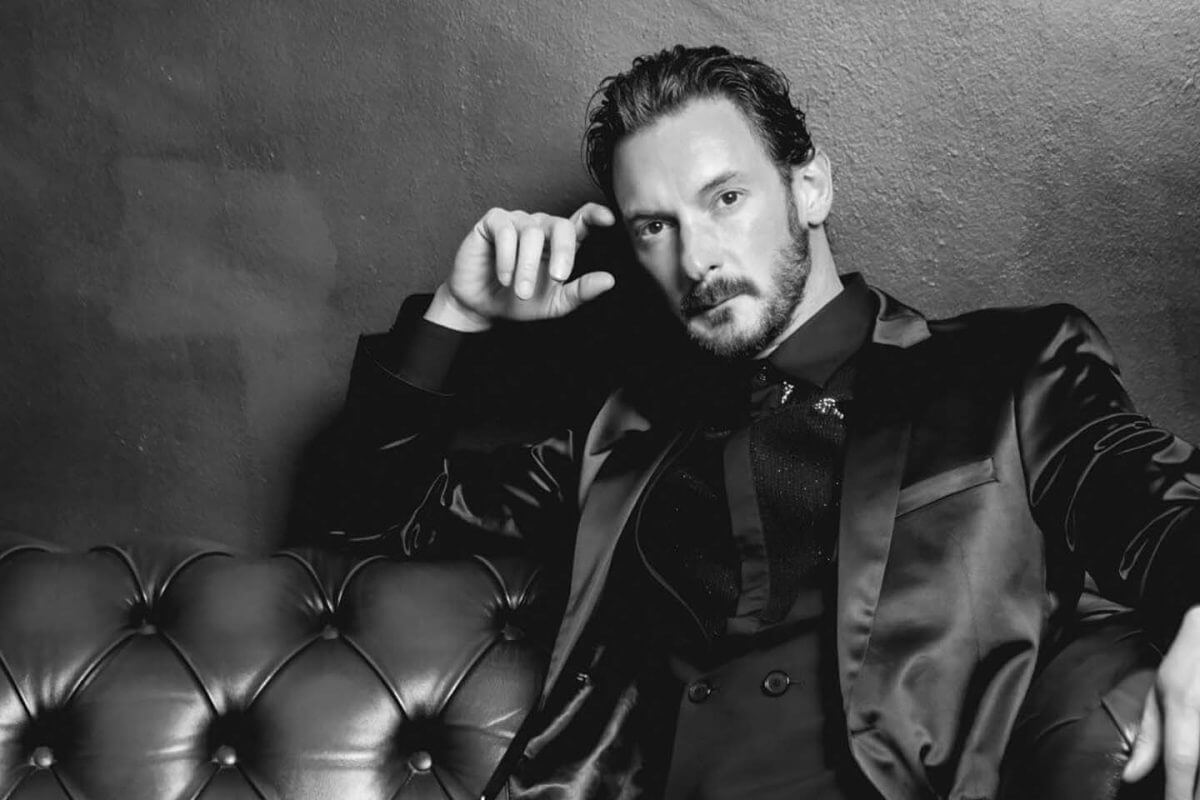
Flamenco Dancer Victor Bravo Share His Passion for Art & Life
Flamenco dancer Victor Bravo of the Flamenco Museum Seville is an artist and cancer survivor whose talent is matched only by his spirit.

On Island of Cyprus, a Vow: I Will Dance Forever!
Spend an evening with the locals of village of Geriskipou, where traditional Greek folk dances are performed by the young children!

Alvaro Restrepo, Founder of “The School of the Body” in Cartagena, Colombia
Interested in dance? Social justice? Meet Colombian dancer & choreographer Alvaro Restrepo who founded El Colegio del Cuerpo in Cartagena.