


What Are Textiles? A Look at the History of Making Textiles
A textile is any material made from fibers, which can be natural or synthetic. The word textiles comes from the Latin word "textilis" (meaning weaved).
Textiles are classified as both synthetic (man-made), like polyester, nylon, and acrylic, and organic (found in nature) fibers, such as cotton, flax, and wool.
Humans have been making textiles since the era of the caveman, more than 50 millennia ago.
In a Siberian cave, sewing needles that were at least 50,000 years old were found. Prehistoric needles have also been discovered in Slovenia, Russia, China, Spain, and France, among other places, that were made 15,000 - 41,000 years ago. The oldest fabric in South America was discovered at Peru's Guitarrero Cave. It was created from plant fiber about 12,000 years ago.
One of the first textiles produced is linen, which was created by the Egyptians in 3400 BC using flax that was gathered along the banks of the Nile. The laborious process of harvesting flax, spinning it into thread, and then weaving the fibers on a loom is portrayed on murals in the pyramids. In ancient Egypt, linen was used for everything from the sails of their ships to the elaborate royal clothing and the loincloths of the peasants. Egyptian embalmers used linen strips to preserve the dead.
China started spinning and weaving silk around 2600 BC. According to Chinese legend, the idea for silk was developed by Empress His-Ling Shi. The story goes that the Empress was drinking tea next to a mulberry tree when a silkworm's cocoon fell into her cup. As she watched the cocoon's fibers unravel, the Empress had the inspiration to use the threads to produce fabric. Originally a material exclusive to emperors and empresses, silk gradually made its way to the lower classes and, as the Silk Road developed, to Europe.
In the Near East, wool production started about 6000 BCE and developed through selective sheep breeding. Wool has become widely utilized for clothing because sheep provide a source of breathable, insulating, and long-lasting fiber that enables humans to thrive in a variety of climates by offering warmth in cold weather and protection in heat.
The use of certain materials, as well as choices of certain colors, symbols, techniques, and styles, all contribute to its cultural character. Textiles are effective mediums for communicating cultural identity because patterns, colors, and materials have profound symbolic meanings connected to history, beliefs, social standing, and community affiliation. They serve as a kind of visual language that bridges generations and upholds customs to preserve cultural heritage.
Textiles are used culturally to convey social standing, religious convictions, and collective identity through ceremonial items and apparel. They are often used to record life events like birth and marriage, preserve history, and narrate stories. Textiles can also be used practically to provide warmth, shelter, and a means of exchange for money.
Certain nations and their citizens have created distinctive textile designs that are an integral aspect of their culture. For instance, tartan, which originates in Scotland, is a characteristic design of crisscrossed horizontal and vertical bands. Tartan is a potent emblem of lineage and identity since each pattern, or "sett," is exclusive to a particular Scottish clan or family. In Scottish culture, wearing tartan, especially in kilts, is a long-standing custom that symbolizes kinship, loyalty, and a sense of belonging.
Within Native American tradition, Navajo weaving is a highly esteemed craft, and its designs are a reflection of the Navajo people's spiritual beliefs. The relationship between nature and the Navajo worldview is frequently represented by striking geometric patterns. In addition to their aesthetic value, Navajo blankets are valued for the rich cultural narratives they contain.
Indigenous women in areas of Mexico and Central America wear huipils, which are traditional loose-fitting blouses or tunics constructed from two or three rectangular pieces of fabric stitched together with openings for the arms and head. Ceremonial versions are more ornate, and these garments are frequently elaborately embroidered with stitching, designs, and colors that can represent the weaver's particular village, group, or event.
In addition to apparel, textiles are used to make carpets, flags, and art canvases; industrial and technical products like sails, ropes, and geotextiles; and household goods like bedding, towels, and upholstery.
Textiles are a tangible representation of history, memory, and place, and document the effects of conquerors, colonists, pilgrims, and trading partners. They tell the tale of people's relationships with one another, their environment, and their culture. The materials used to make textiles around the world are as diverse as the locations in which they are spun, woven, knitted, felted, or crocheted. Textiles are rich in colors, symbols, textures, techniques, styles, and applications, and these elements and how they are combined often express cultural identity.

What is Batik? Ghana Designer Reveals All on Traditional Textile Art Form
What is batik? An in-depth interview with Ghana designer provides an expert definition and insightful explanation of the batik process.

Nature in Scotland Inspires Textile Artist
Textile artist Louise Worthy finds her muse in Scottish birds as well as nature in Scotland. Louise lives in one of the interior communities of Flow Country in Caithness and Sutherland in the North of Scotland.
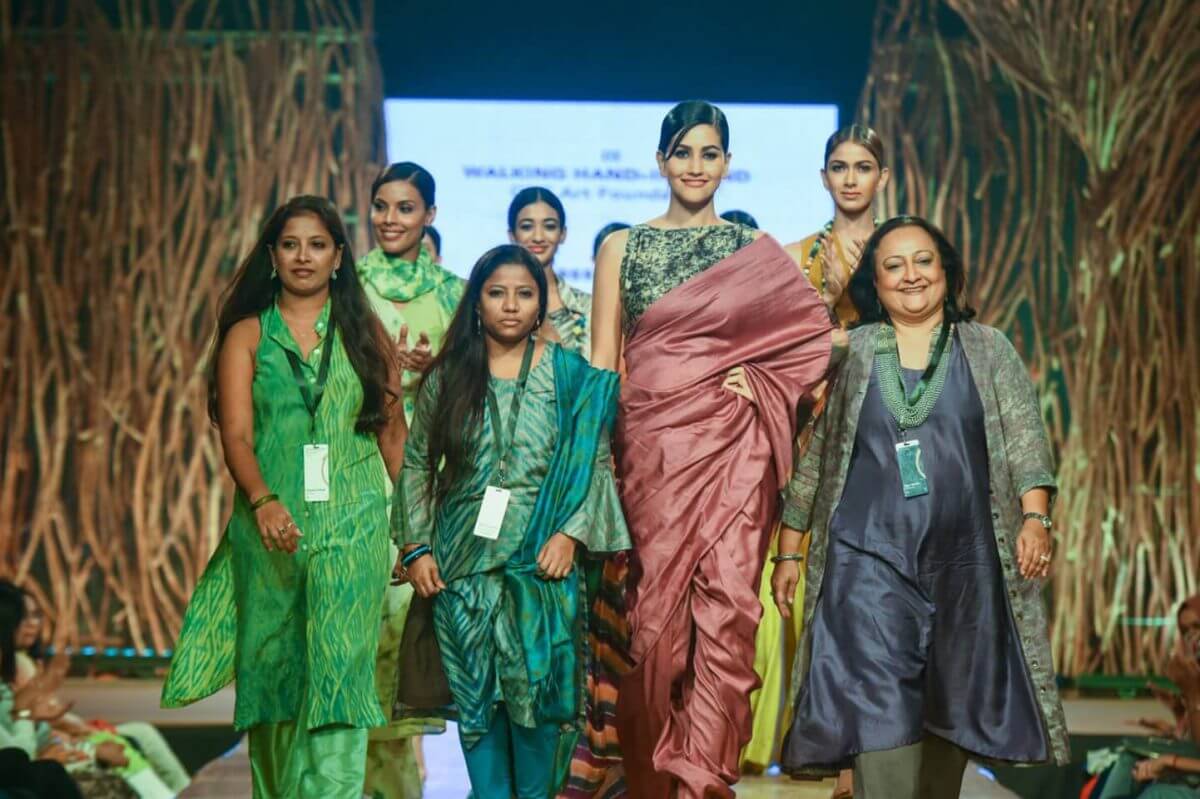
Organic Fabrics Made From Temple Flowers In India
Learn how colors of India are created by Mumbai entrepreneur who recycles floral offerings from Hindu temples into artisanal, hand-dyed organic fabrics.

Textiles of Guatemala Offer Meaning and Symbolism of Traditions
The textiles of Guatemala are for sale at Nim Po’t, home of the world’s largest retail Mayan textile collection. Hear from the manager, Marco!

Explore Norway’s Bunad Tradition of Norwegian Folk Costumes
Bunad, or Norwegian folk costumes, are more than handcrafted clothes. Learn about the cultural significance of Norway’s traditional dress!
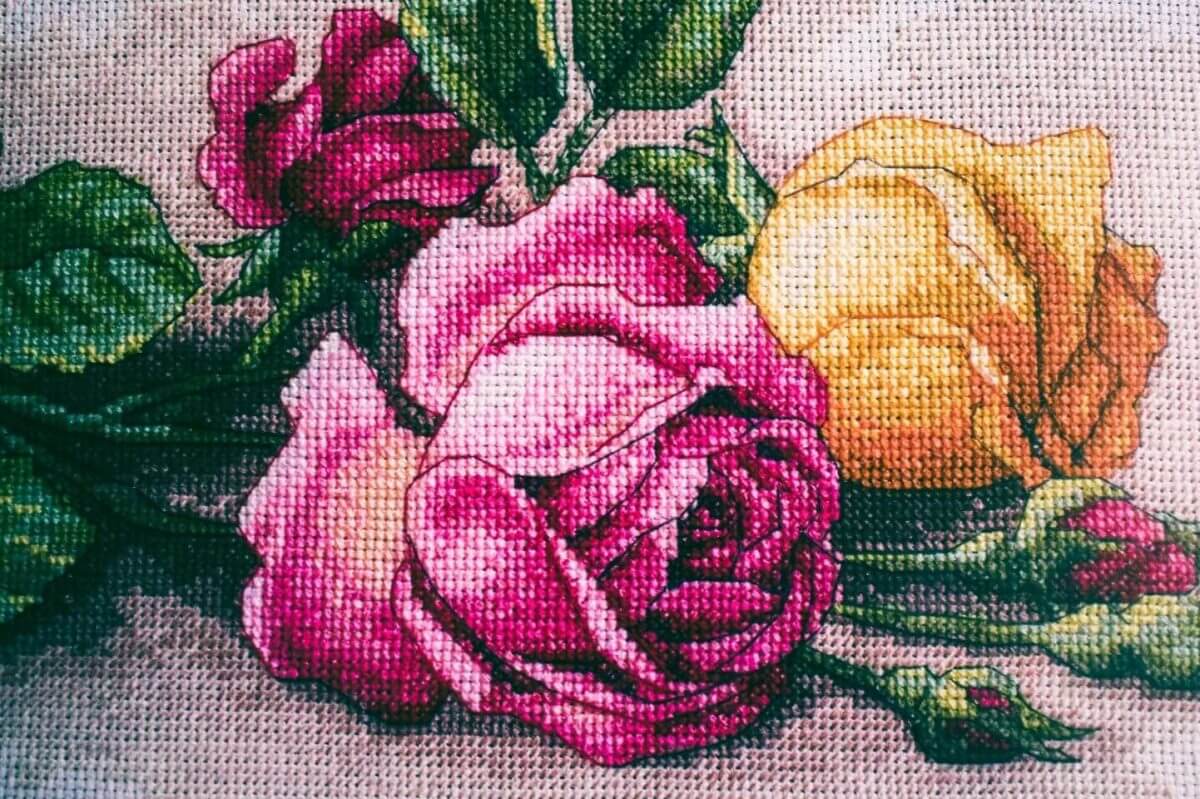
The Smallest Cross Stitch in a Masterpiece of Cross Stitch Pattern
There lies a story behind every cross stitch that manifests into a cross stitch pattern. Here is the story of Zeina Saba Nabbout from Lebanon.

Insights on Culture of Mardi Gras Indians From Standard-Bearer
Mardi Gras Indian culture & traditions are revealed by Cherice Harrison-Nelson, co-founder of the Mardi Gras Indian Hall of Fame, New Orleans.
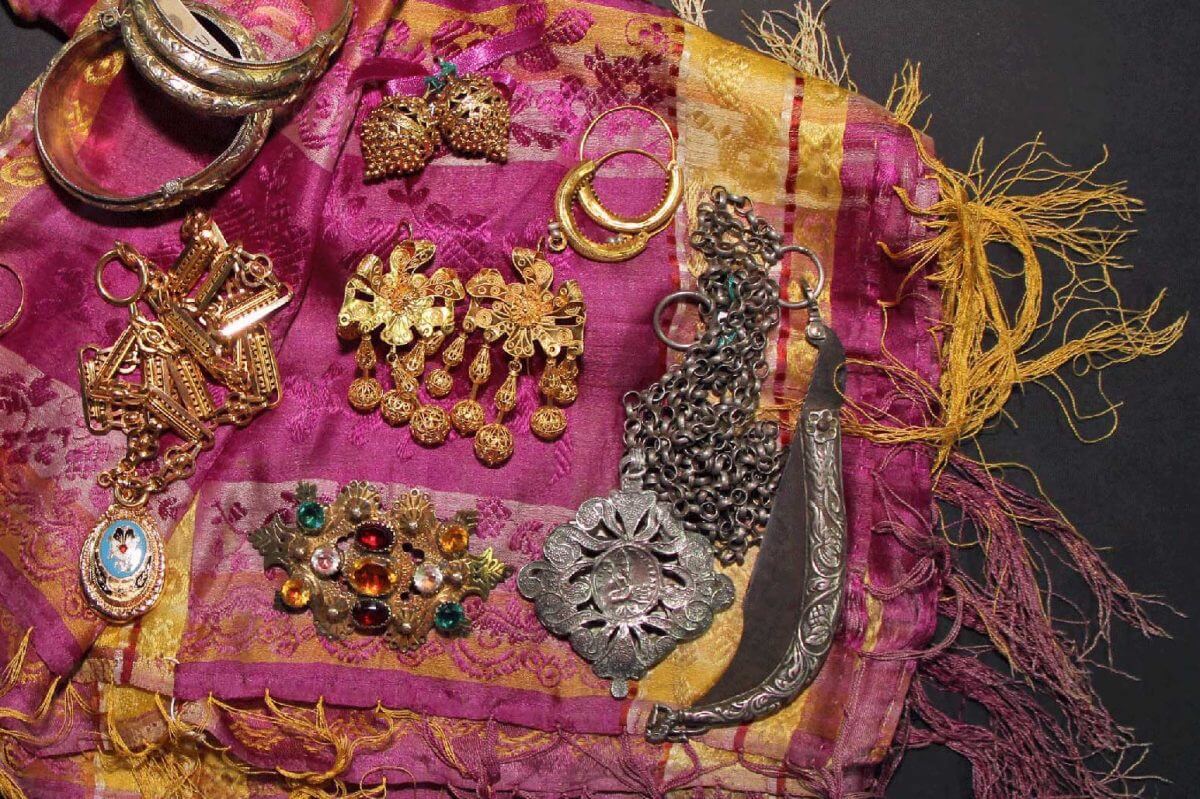
Unique Hand Embroidery Traditions Tell Story of Croatia’s Konavle Valley
The history of Croatia comes alive in this powerful interview that reveals the dramatic past of life in Konavle Valley in the Balkans.

New Mexico Fiber Arts Trail
The Fiber Arts Trail is a gathering of New Mexico’s rural cultural tourism advocates, & is home to Victory Ranch – known for its 300 Alpacas.

Father and Son Weavers Share Traditions of Zapotec People
The Zapotec people are known for their traditional rug weaving. Meet father and son tradition-bearers and learn how they define their work.

Kaqchikel Culture of Guatemala Based on Family and Traditions
The culture of Guatemala is home to the Kaqchikel people, an indigenous Mayan group. Their lives revolve around family, tradition and food.

Lefkara Lace of Cyprus and the Pattern of Tradition
Lefkara lace making is an endangered 15th century tradition in Cyprus. It’s intertwined with people’s identities, economics and social life.