


Culinary arts are generally understood to include food preparation, cooking, plating, presentation, and serving.
Even while the definition of culinary arts is universal, local approaches to them are frequently distinct.
Geographical features like climate and landscape; historical influences from colonizers, indigenous peoples, and trade; and cultural components like immigration and religion all have a role in the development of a region's cuisine. These factors work together to create a distinct culinary identity that is influenced by the resources that are readily available, cooking customs, and the cultural legacy that has been passed down through the ages.
Food is regarded as a component of intangible cultural heritage, which is a lifestyle that is transmitted from one generation to the next. Traditional cooking methods, dining manners, and recipes are all essential components of cultural history and can represent the values and beliefs of various groups.
The UNESCO Intangible Cultural Heritage list includes many dishes and food-related customs and traditions, including:
- Al-Mansaf, a festive banquet in Jordan
- Harissa from Tunisia
- Traditional tea processing techniques and social practices in China
- Culture of Ukrainian borscht cooking
- Palov culture and tradition in Uzbekistan
- Arabic coffee, a symbol of generosity in Saudi Arabia, Oman, Qatar, and the UAE
One of the most concrete and expressive forms of culture is the culinary arts! Food's presentation, scent, texture, noises, and taste all appeal to the five senses. If identity is the primary component of "Culture," then who doesn't view their favorite food as an essential component of their identity and origins?
Chefs Dish on Their Culinary Arts Philosophy
Maine restaurant Chef Devin Finigan dishes on her culinary philosophy and Deer Isle’s creative community of fishermen, farmers and artisans. Sicilian food is unique and traditional. A Trapani chef reveals the historic cultural influences and abundant local eco system that inspire it. Food in Malta has a history as rich as its taste. In our interview, chef Josef Baldacchino dishes on the back story of Maltese cuisine. Hisa Franko restaurant in Slovenia’s Soca Valley is co-owned by chef Ana Ros, and she designs creative dishes with local ingredients.
Maine Restaurant Chef Devin Finigan on Culinary Philosophy

Sicilian Food, The Passion of Sicilian Chef Roberto Carpitella

Food in Malta is a Banquet of Historic and Cultural Influences

Hisa Franko Restaurant Focuses on Risk and Re-Learning Traditions
Culinary Arts and Traditional Foods
Discover the rich tapestry of Indian cuisine, intricately intertwined with the country’s vibrant culture. Uncover the fascinating stories behind each recipe. Armenian lavash, a traditional thin bread that is an essential part of Armenian cuisine, is celebrated in this folk song. Enjoy! Every country has its classic dishes and in Armenia, one of the most beloved is dolma, a family of stuffed vegetable dishes, most often wrapped in grape or cabbage leaves.
Classic Indian Cuisine Revealed With Personal and Cultural Stories

Armenian Lavash Bread Celebrated in Traditional Folk Song

Making Traditional Armenian Dolma Dish
Culinary Arts and Artisanal Ingredients
Making balsamic vinegar from Modena Italy is a calculated and strict process to ensure great taste. Learn how it’s made from Davide Lonadri! Prosciutto di Parma has been on the Italian table for generations. Learn from Michela Conti, whose family has been making it for many years. Discover the rich tradition of Parmigiano Reggiano cheese, crafted by 3rd generation cheese-maker Serena Peveri. Indulge in authentic Italian flavors.
Balsamic Vinegar of Modena is Ancient Art and Science
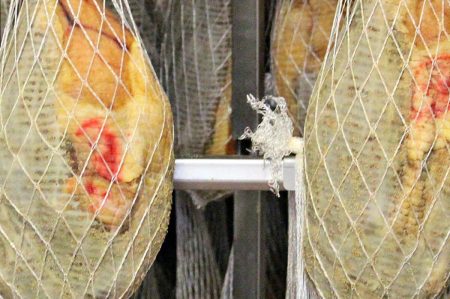
History of Prosciutto di Parma of Emilia Romagna

The History of Parmigiano Reggiano from an Artisanal Cheese-Maker